Material handling equipment for demanding operations.
Bater manufactures explosion-proof forklifts, stackers and inspection vehicles for classified industrial areas, alongside conventional electric equipment for standard warehouses. Final specifications depend on the working environment and the requested configuration.
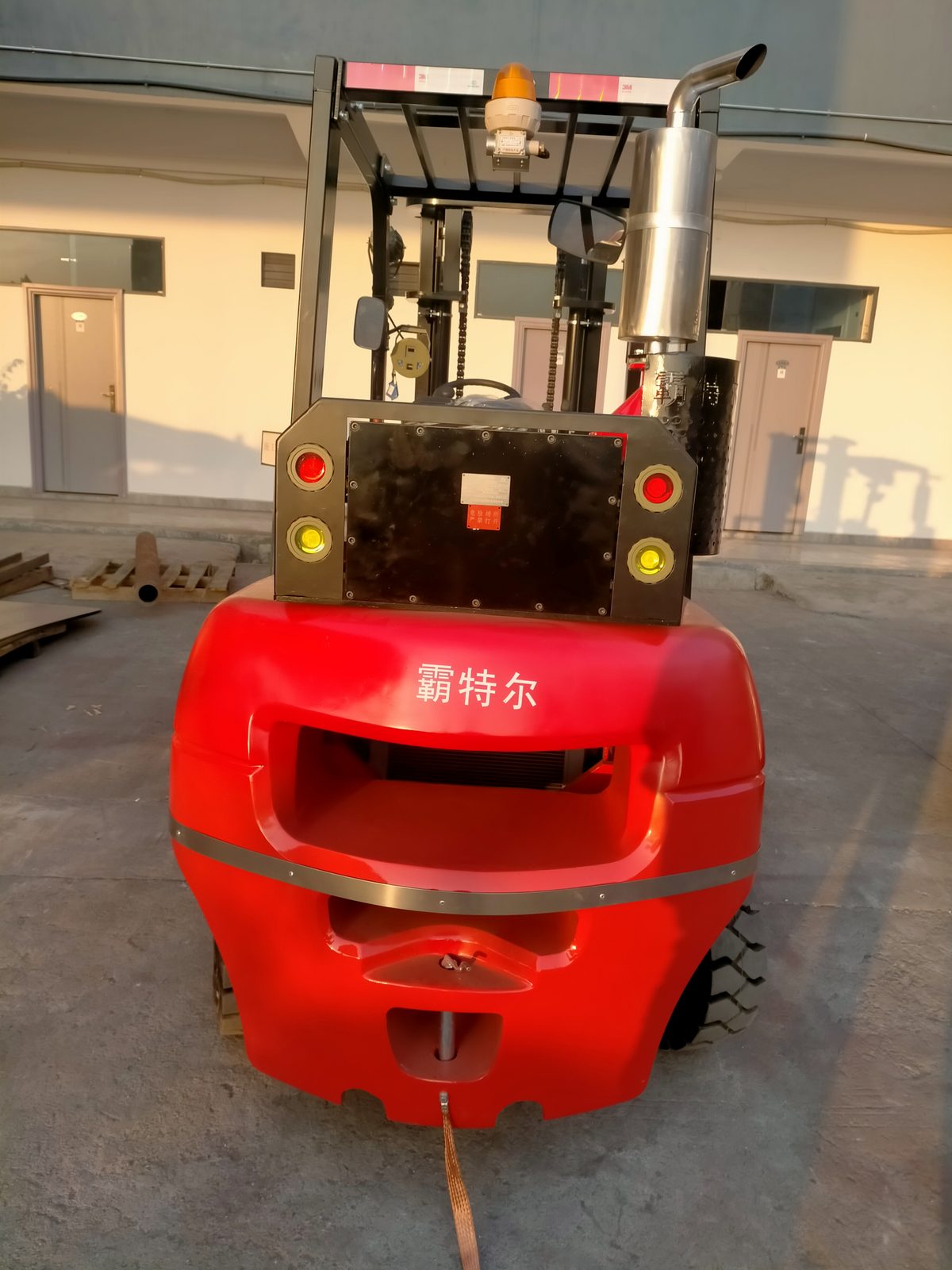
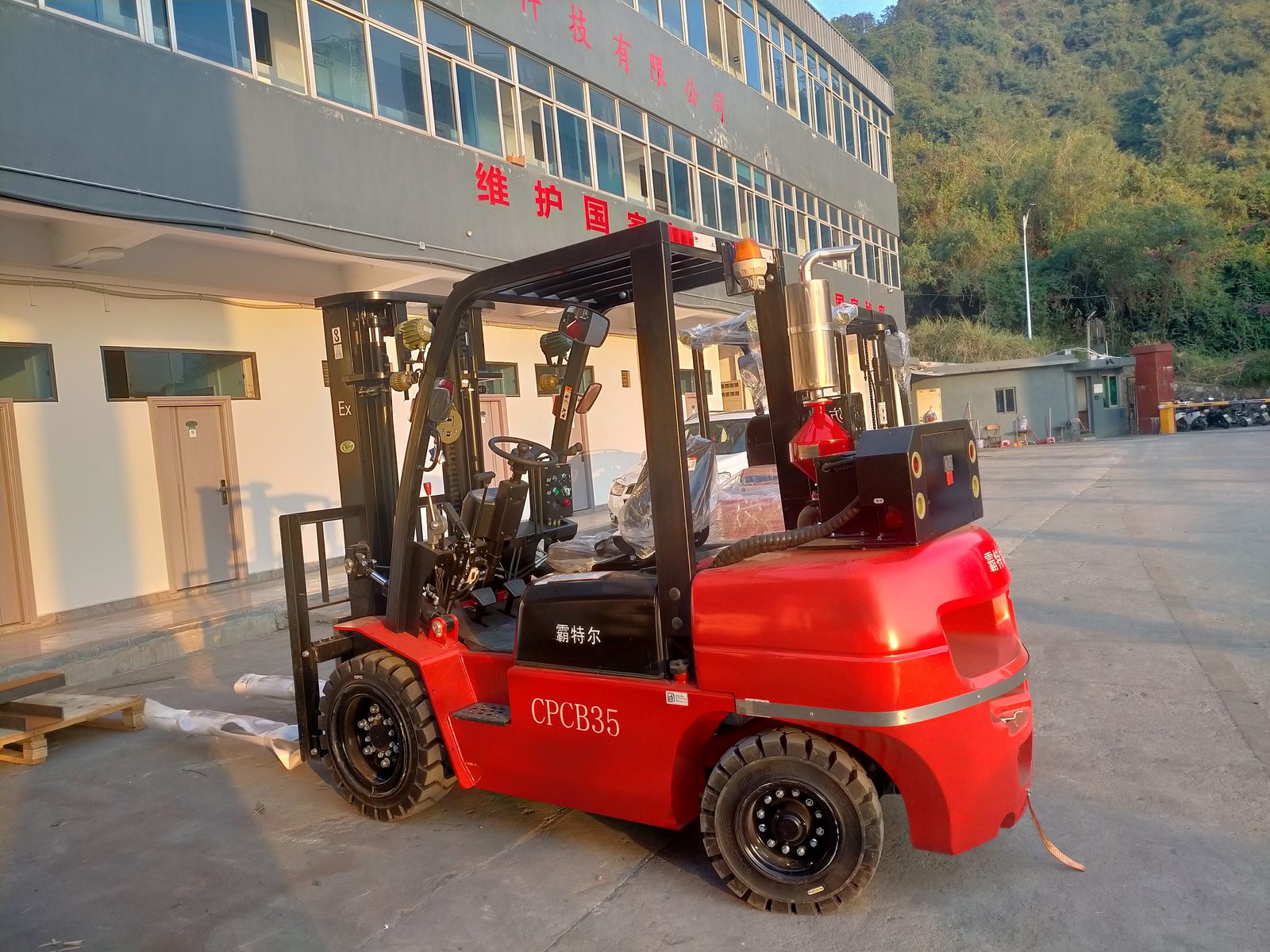
Explosion-Proof Forklifts
Counterbalanced battery and internal-combustion solutions for hazardous-area operations.
View category →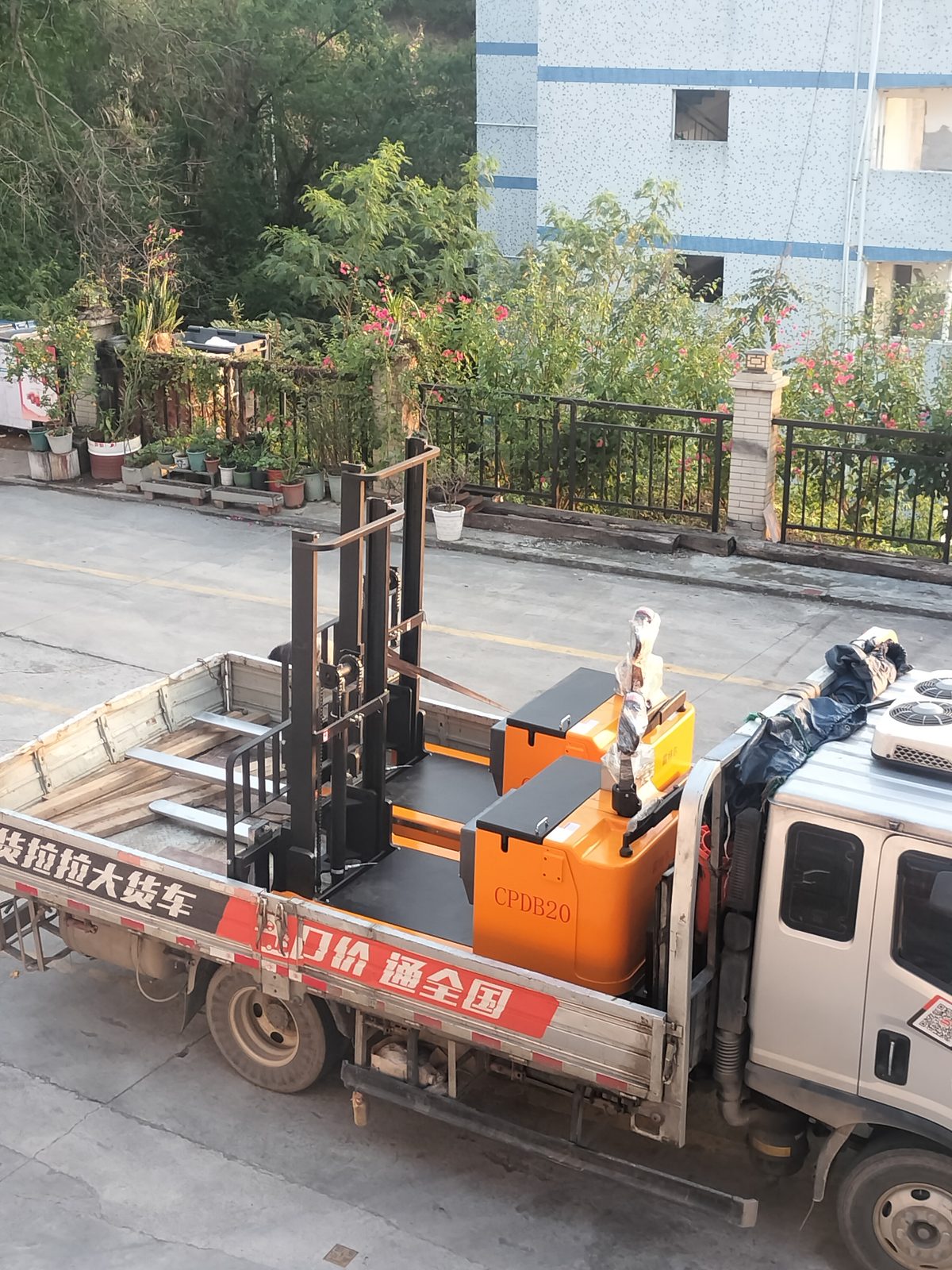
Explosion-Proof Stackers
Compact stacking equipment designed around controlled, demanding industrial workflows.
View category →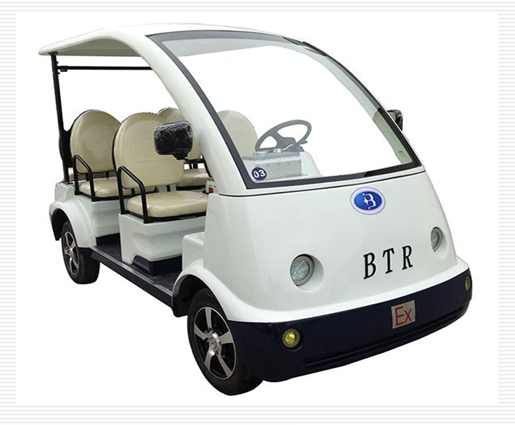
Explosion-Proof Inspection Vehicles
Battery inspection and passenger vehicles for industrial site transport and patrol tasks.
View product →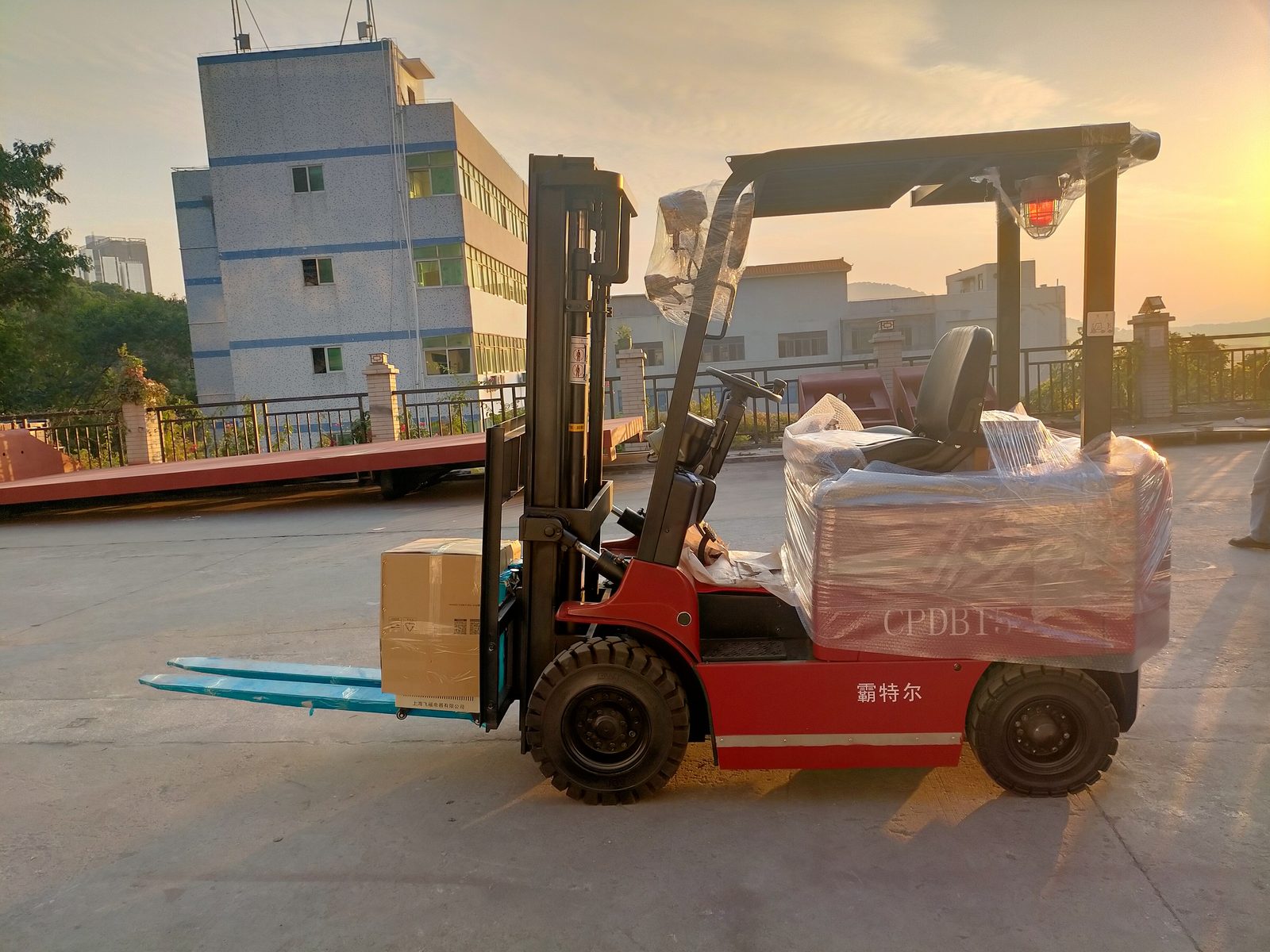
Electric & Material Handling
Electric forklifts, pallet trucks and tow tractors for conventional material handling.
Discuss a configuration →What sits behind each category.
- Explosion-proof forklifts
- Counterbalanced vehicles from 1,500 to 5,000 kg, battery powered, marked for Zone 1 and 2 application areas. The CPDB series is the reference range.
- Explosion-proof stackers
- Compact stacking equipment for controlled workflows where aisle width and lift height, rather than raw capacity, set the limit.
- Explosion-proof inspection vehicles
- Battery vehicles for industrial site inspection, controlled-area transport and personnel movement, with seat count set by the application.
- Conventional electric equipment
- Electric forklifts, pallet trucks and tow tractors for areas that carry no hazardous-area classification. Discussed per configuration.
Area classification first, capacity second.
The most common specification mistake is starting from load weight. A 2,000 kg vehicle marked for Zone 1 and 2 is not interchangeable with a 2,000 kg warehouse truck, and it is not automatically suitable for every classified area either.
Bater's approach is to settle the hazardous-area classification, the documentation the destination market requires, and the physical constraints of the site — aisle width, ramp grade, floor condition — before the model is chosen.
- Zone, gas group and temperature class confirmed for the actual working area
- Certificate set matched to the destination market
- Physical envelope checked against aisles and ramps
- Single-unit production and custom configurations can be discussed
Start with the operating environment.
Share your application, load requirements and target market. Our team can help identify a suitable vehicle configuration and documentation package.