
Explosion-Proof Inspection Vehicles
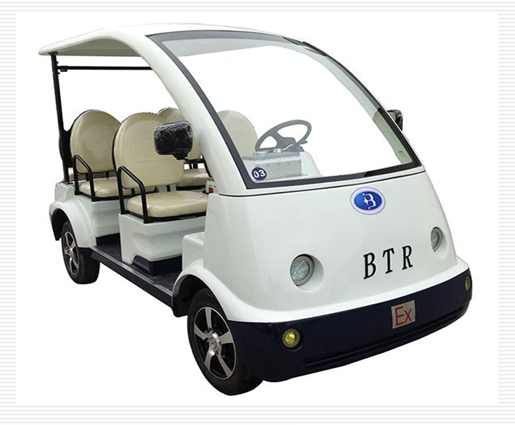
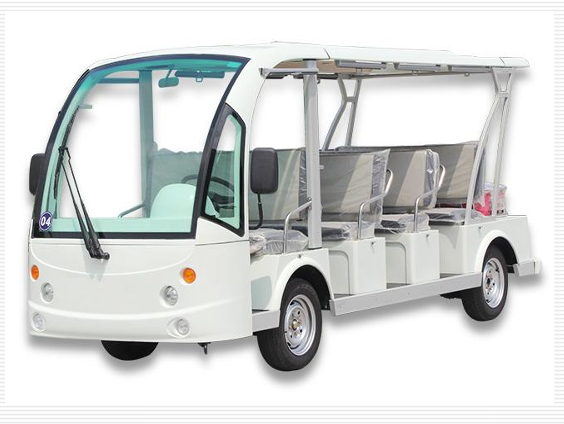
Battery-powered vehicles for industrial site inspection, controlled-area transport and personnel movement. Seat count and equipment are configured around the operating environment rather than chosen from a catalogue.
Practical transport for industrial sites.
The GDB family covers 4 to 24 seat configurations. Bater can discuss single-unit production, small batches and application-specific layouts.
Unlike a counterbalanced truck, the inspection vehicle is specified by the route it has to cover and the number of people it has to move. That makes passenger count, turning space and shift length the primary constraints, with rated capacity rarely the deciding factor.
- Battery-powered platform for inspection and site transport
- 4 to 24 seat configurations discussed per application
- Explosion-proof marking and documentation confirmed for the selected configuration and target market
Where these vehicles are used.
- Site inspection rounds
- Planned patrol of process areas, pipe racks and storage yards, where a classified area rules out an ordinary utility vehicle.
- Controlled-area personnel movement
- Short-cycle transport of operators and maintenance staff between buildings without leaving the classified zone.
- Shift and tool transport
- Carrying spares, sampling equipment and hand tools along fixed routes during routine operation.
- Emergency and standby duties
- Keeping a declared vehicle available for inspection and response tasks that must happen while a hazardous atmosphere may be present.
Four things that shape the configuration.
Inspection vehicles are the easiest products in the range to get wrong on paper. These four points usually close the gap between a quotation and a working vehicle.
- Passenger count and layout
- Seats, facing direction, and whether a cargo bed, tool rack or sampling mount is needed alongside the seats.
- Route and surface
- Distance per shift, gradients, thresholds, and whether the route crosses both classified and unclassified areas.
- Shift pattern and charging
- Daily mileage against available charging windows, and whether opportunity charging can be installed at the route end.
- Area classification and market
- The zone, gas group and temperature class that apply on the route, and which certificate set the destination market requires.
Specifications may vary by configuration. Explosion-proof marking, application area and documentation must be confirmed for the selected vehicle and target market.
Share the site conditions.
Tell us the passenger count, route, hazardous-area requirements and target market. We can review a suitable configuration and documentation package.